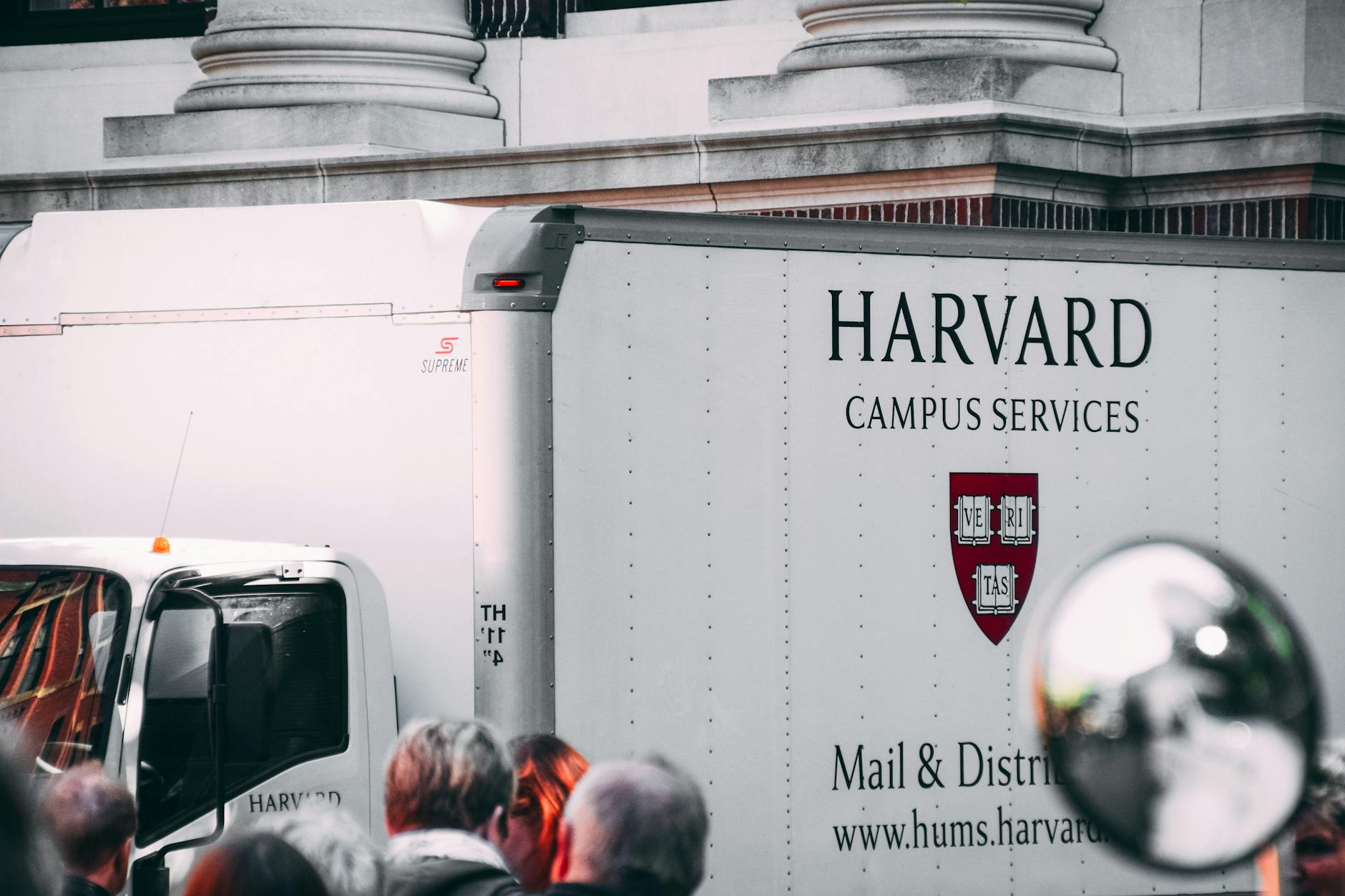
In a dramatic clash over values and funding, Harvard takes a stand against government demands — but at what cost?
Discover how Harvard’s independence clashes with Trump’s administration as $2.2 billion in funding hangs in the balance. Dive into the unfolding saga!
Harvard vs. Trump: A $2.2 Billion Showdown
Imagine a high-stakes drama unfolding right in America’s Ivy League heart, where the world’s most prestigious university is squarely at odds with the White House. Cue the scene: Harvard University, a bastion of academic freedom and intellectual prowess, faces an unprecedented financial freeze imposed by the Trump administration. What led to this standoff over $2 billion in funding, and how will it reshape the landscape of higher education?
The Backstory: A Crisis Brewing
In a move that feels right out of a political thriller, the Joint Task Force to Combat Anti-Semitism slapped Harvard with a daunting $2.2 billion funding freeze. This action follows the university’s refusal to bow to a barrage of demands, stirring a pot already bubbling with controversy. Harvard, with its storied history of academic independence, stands firm, insisting that it will not compromise its constitutional rights. But now, it finds itself grappling with the very real implications of potential financial fallout.
“It’s not just about the money,” says Harvard’s president, Alan Garber, in a statement dripping with resolve. “We’re talking about the principles that define us as an institution.”
The Government’s Demands: A Heavy Hand?
So, what exactly does the government want? From restructuring governance to enforcing “viewpoint diversity” across hiring and admissions, the demands are sweeping and significant. They even extend to ending preferences based on race or religion — an uncharted territory for higher education. As you read through the five-page letter, you can almost feel the tension crackling through the air. It boldly states: “Investment is not an entitlement.”
This powerful message leads us to wonder: can the government dictate how universities operate while upholding academic freedoms?
Harvard’s Response: Defiance in the Face of Pressure
In a gripping turn, Harvard’s lawyers swiftly rejected the government’s reform requests, declaring their commitment to independence loud and clear. “No government should dictate what private universities can teach or whom they can admit,” Garber insists, echoing sentiments that resonate far beyond the campus grounds.
As the academic community rallies behind Harvard, many wonder: what does this mean for the future of education? The ripple effects could be vast, undermining not just funding, but the very essence of intellectual exploration in America.
A Wider Implication: Academic Freedom Under Attack?
As we dig deeper, we see a broader narrative unfold. This isn’t merely a battle between academia and an administration; it’s a reflection of a growing tension across a spectrum of elite institutions like Columbia and Johns Hopkins, all facing similar pressures. Like a political chess game, every move can have monumental consequences.
What’s Next?
As August 2025 looms over them like a dark cloud, the stakes are higher than ever. With ongoing audits and reform mandates hanging in the balance, both sides seem to be digging in for a protracted showdown. What happens next could redefine the relationships between the government and institutions of higher learning for years to come.
Final Thoughts: What’s Your Take?
As this saga unfolds, we invite you to share your thoughts. Should Harvard yield to government demands, or is standing firm in its independence paramount? Engage with us on social media and stay tuned for developments in this gripping tale of power, freedom, and the future of education.
Your voice matters in this conversation! What are your thoughts on the future of academic freedom in America? Share them with us!