Europe faces heightened alertness as fears of a biological attack loom amid a measles outbreak and foot-and-mouth disease spreading across borders.
As the sun rises over Eastern Europe, an unsettling reality looms—what once seemed like a routine health issue has transformed into a source of widespread panic and fear. A deadly virus, suspected to be of artificial origin, is on the loose, fracturing borders and instilling dread across nations. With bureaucratic decisions based on chilling data from the World Organization for Animal Health, the idea of a biological attack is no longer brushed aside but examined with apprehensive scrutiny.
In Hungary, the fear is palpable as authorities grapple with their first outbreak of foot-and-mouth disease in over fifty years. With livestock at risk and devastating economic consequences looming, the crisis has provoked urgent border closures and thrown neighboring Austria and Slovakia into a state of alarm. Could this epidemic be a harbinger of something more sinister?
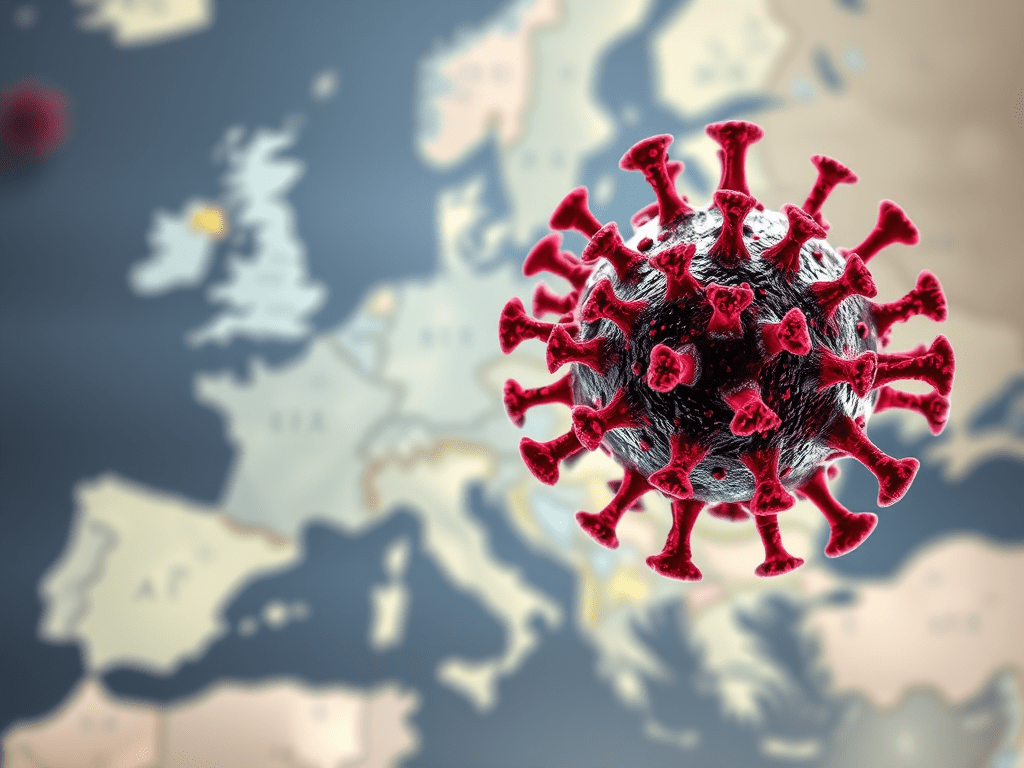
Rising Tension Across Borders
The current measles outbreak, primarily spreading across the US and Mexico, now casts a shadow over Europe. As the shadow deepens, particularly in Hungary where foot-and-mouth disease has resurfaced, the question arises: is it simply a natural outbreak, or could it be an orchestrated biological attack?
Alarm Bells Ringing
Prime Minister Viktor Orban’s senior aide, Gergely Gulyas, has raised eyebrows by hinting at the possibility of an intentionally engineered pathogen. Though he refrains from blaming any specific party, the implications of this possibility weigh heavily on the psyche of citizens and officials alike.
- Impactful Situations:
- Almost 1,000 farms under careful surveillance.
- Four confirmed cases of foot-and-mouth disease.
- Culling of livestock: Approximately 3,000 animals lost by farmers like Paul Meixner, incurring staggering financial losses.
Paul, a dual Austrian-Hungarian citizen, shared his heartbreak, stating, “Everyone was just standing there, crying and saying that this cannot be true, that this was impossible.” The painful reality highlights the emotional toll on farmers and their communities.
Emergency Measures in Action
In response to the escalating crisis, emergency protocols have swept across regional borders. Decontamination stations have materialized at major crossings, with personnel donning protective hazmat suits scrutinizing trucks and vehicles, ensuring that every possible measure is taken to contain the outbreak.
- Preventative Actions:
- Hasty decontamination stations at borders.
- Strict inspection protocols for vehicles and livestock.
- Heightened readiness among animal health authorities.
The Societal Ripple Effect
The repercussions of such a crisis extend beyond the immediate health concerns. Economically, Hungary’s agricultural landscape—once proud and prosperous—now confronts a dire struggle as communities unite in their determination to rebound from this adversity. As Meixner vows to resume his farming endeavors, the resilience of the human spirit shines through the devastation. “In two weeks, we will start harvesting and storing the hay. We need the fodder for next year,” he asserts.
Conclusion:
As Europe stands on the edge of uncertainty, the terror of potential biological threats melds with the heartbreak of lost livelihoods. This crisis urges reflection: how prepared are we for unseen threats to our health and agricultural systems? The future remains uncertain, but the need for vigilance, resilience, and readiness grows stronger with each passing day.