President Trump authorized the military to take control of federal land stretching across three states at the southern border to assist in implementing his crack down on immigration.
Trump authorizes military use of public land along southern border
President Trump launches a military initiative to enhance border security, aiming to respond to rising threats at America’s southern border.
As tensions simmer and threats loom, the southern border of the United States finds itself at the center of a strategic military initiative. In a decisive move underscored by urgency, President Trump issued a memorandum directing key secretaries—including Defense, Interior, Agriculture, and Homeland Security—to place federal lands, such as the Roosevelt Reservation, under Pentagon jurisdiction. Spanning across California, Arizona, and New Mexico, this action seeks to bolster national security against a backdrop of escalating concerns about illegal immigration and border invasions.
“The complexity of the current situation requires that our military take a more direct role in securing our southern border than in the recent past,” Trump emphasized in his Friday evening memorandum, aptly titled “Military Mission for Sealing the Southern Border of the United States and Repelling Invasions.” This bold declaration reflects a response to what Trump describes as an ongoing assault on the nation’s sovereignty.
Exclusion of Native American Reservations
Significantly, the order excludes Native American reservations, reflecting an attempt to balance border security measures with respect for tribal lands. The Defense Secretary, Pete Hegseth, is tasked with designating affected areas as “National Defense Areas,” enabling military operations including the construction of border barriers and installation of detection and monitoring equipment.
As this initiative rolls out, its impact will be closely monitored. The memorandum stipulates that progress will be assessed within 45 days, creating a timeline for evaluation that emphasizes the administration’s commitment to a structured approach.
An Escalation of Military Presence
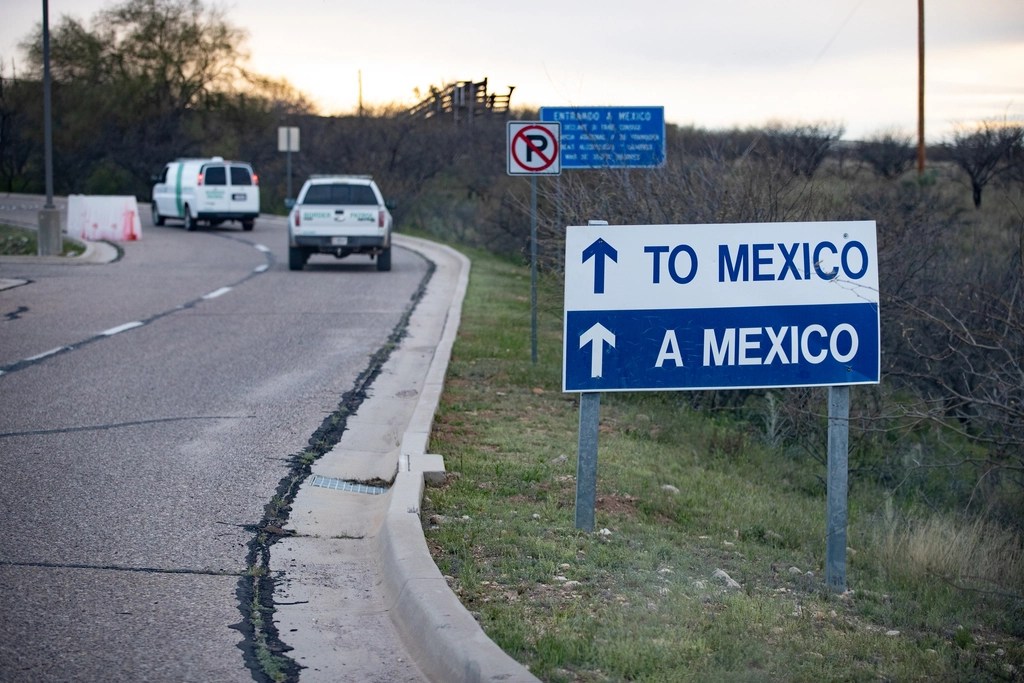
Upon returning to the White House, Trump wasted no time in implementing a series of actions aimed at addressing illegal immigration. This included the declaration of a national emergency at the southern border and the deployment of troops to assist state troopers and members of the National Guard. This military escalation aligns with Trump’s ongoing commitment to minimizing unauthorized crossings, a promise he heavily campaigned on.
Recent statistics suggest a significant decline in illegal crossings, with approximately 7,200 reported in March—starkly contrasting with a monthly average of 155,000 during the previous four years. This decline raises questions about the effectiveness of current border enforcement strategies.
Speeding Up Construction Efforts
Earlier this week, the Department of Homeland Security issued its first waiver aimed at expediting border wall construction, a critical component of Trump’s immigration reform agenda. This move signals a renewed urgency to complete the border wall, a focal point of Trump’s initial campaign nearly a decade ago.
The implications of these military operations and construction efforts extend beyond mere numbers; they touch on issues of national security, domestic policy, and the complexities of immigration in a globalized world.
Conclusion: The Path Ahead
As military operations begin to reshape the landscape of U.S. border policy, the nation’s focus sharpens on the implications of these actions. Will enhanced military involvement translate into a more secure border, or does it risk further complicating the already intricate dynamics surrounding immigration?
The southern border remains a divisive topic—a battleground of ideas, policies, and human lives. As we move forward, the question persists: how will these changes ultimately define the future of America’s borders?