Urgent health alert: Researchers identify key groups needing additional measles vaccine doses as case numbers surge in Texas and surrounding states!
A measles outbreak in the United States is growing, with no end in sight. As of 18 March, 279 cases had been reported in Texas, 38 in neighbouring New Mexico and as many as 4 in Oklahoma, which also borders Texas. Measles has killed an unvaccinated six-year-old child in Gaines County, Texas, the centre of the outbreak, and is the suspected cause of death of an unvaccinated adult in New Mexico.
In a recent analysis, William Moss, an infectious-disease epidemiologist at Johns Hopkins University in Baltimore, Maryland, emphasized that there are currently no indications of a decrease in the outbreak’s progression.
Weekend Exclusives
US Secretary of Health and Human Services Robert F. Kennedy Jr., known for his anti-vaccination stance, has offered limited backing for the measles vaccine, despite its proven effectiveness. He promotes unverified treatments like cod liver oil, steroids, and antibiotics as alternatives, asserting that vaccination should be a “personal” choice, though he claims not to oppose it.
Potential Expansion of the Outbreak: What to Expect?
Potential for Measles Outbreaks Depends on Vaccination Rates, Experts Warn
Public health officials warn that measles outbreaks are unpredictable and spread rapidly, similar to forest fires. Health expert Moss emphasizes that vaccination rates, such as Maryland’s 97%, help prevent potential escalations. Communities with lower vaccination levels face a higher risk of widespread outbreaks. Virologist Paul Offit warns that without proper measures, cases could soar into the thousands. This situation underscores the importance of vaccinations for public health.
Understanding the Highly Contagious Nature of Measles
Measles: The Most Contagious Disease
Measles is recognized as the most contagious disease, boasting an astonishing R₀ of 12 to 18, which far exceeds COVID-19’s initial estimate of 1.4 to 2.5. A notable incident in 1991 involved an athlete who infected 16 spectators at a stadium, including two located over 30 meters away. The virus, transmitted through airborne droplets, remains infectious in the air and on surfaces for up to two hours. Initial symptoms, mimicking those of a common cold, can lead to unintentional spread before the appearance of the characteristic red spots.
Long-Term Impacts of Measles Unveiled
Measles: A Hidden Danger to Children’s Health
Measles poses a significant risk, particularly for unvaccinated children, with fatality rates of 1 to 3 in every 1,000 cases. The disease can lead to pneumonia in 5–6% of those infected and may result in death among young patients. Long-term effects include severe conditions like blindness, hearing loss, and subacute sclerosing panencephalitis, which manifests years later, causing cognitive decline. Additionally, the phenomenon known as ‘immune amnesia’ can leave individuals vulnerable to other infections for 2–3 years. Experts emphasize the importance of vaccination, with researcher Moss stating, “The way we stop this is to vaccinate.”
Is a Booster Shot Worth It?
The first measles vaccine was introduced in the United States in 1963, exempting those born before 1957 from vaccination due to likely childhood infection. Individuals born after 1989 who have received two doses of the MMR vaccine are considered adequately protected. Those born between 1957 and 1963 may have some immunity, while those vaccinated with an inactive-virus vaccine between 1963 and 1967 are advised to seek revaccination. A single dose of the live-virus vaccine typically ensures lifelong protection, but a second dose is recommended for individuals in outbreak areas and immunocompromised patients.
Latest news|






Luxury | January 28, 2025
Top 10 Most Expensive Rolex Watches on the Market
Luxury | January 28, 2025
Top 10 Longest-Range Private Jets
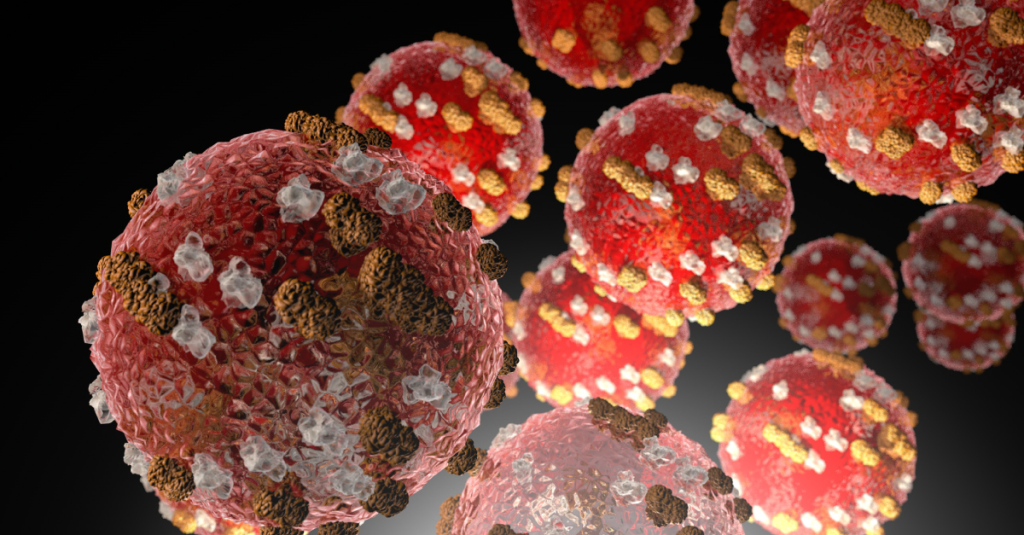
Measles Virus Linked to Long-Term Immune Suppression
A recent study highlights the severe impact of the measles virus, which is responsible for over 100,000 deaths annually. Researchers found that unvaccinated children experienced a significant reduction—between 11% and 73%—in their antibody repertoire following natural measles infection, leading to increased vulnerability to future infections. Unlike their unvaccinated peers, infants who received the MMR vaccine showed no such immune suppression. The findings emphasize the critical importance of widespread vaccination to mitigate the long-term health risks associated with measles.
References
1. Mina, M. et al. Science 366, 599–606 (2019)
>Article
>PubMed
>Google Scholar