Will President Trump’s latest tariff on imported pharmaceuticals reshape drug prices and the future of healthcare?
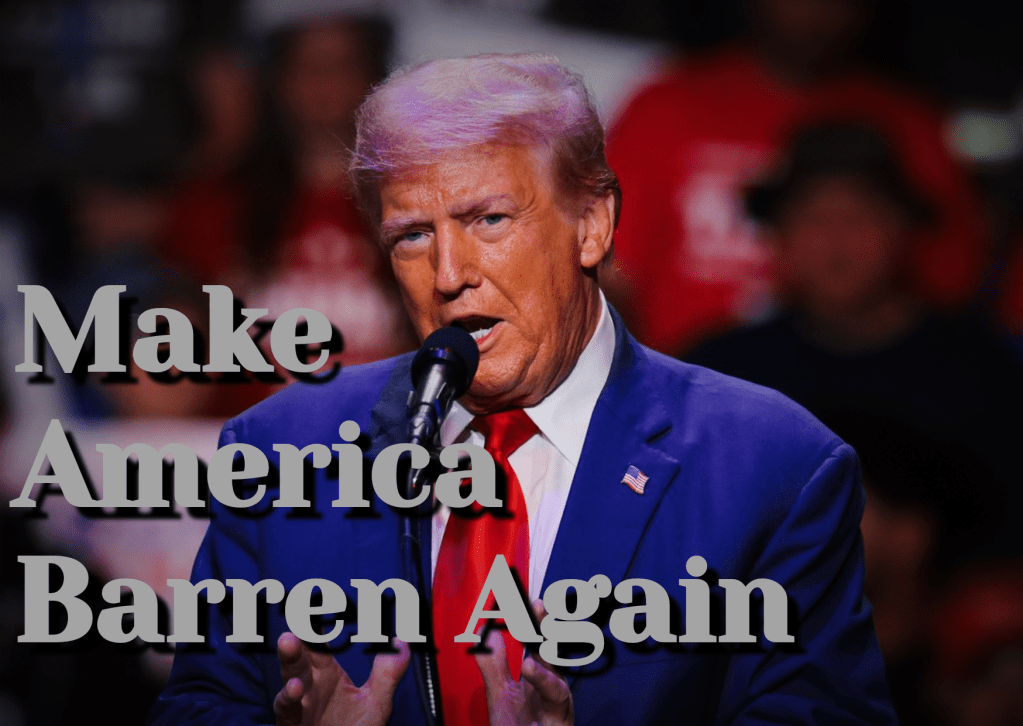
Amid the clinking of forks and murmurs of anticipation at the National Republican Congressional Committee dinner, President Donald Trump delivered a speech that sent shockwaves through the pharmaceutical industry. “We’re gonna tariff our pharmaceuticals,” he proclaimed, echoing both confidence and a hint of defiance.
The Observer
This moment was marked not solely by the announcement itself but by the palpable anxiety it ignited across the nation—anxiety about rising drug costs, healthcare access, and the very fabric of American capitalism.
The Context Behind the Controversy
In the heart of Washington, DC, a cacophony of mixed signals emerges from the White House regarding Trump’s sweeping tariffs. Set against a backdrop of escalating trade wars, the president’s assertion that “tariffs will bring companies rushing back to the U.S.” suggests a belief that America’s market might once again reign supreme. But as conflicting narratives spill from his administration, the core issue remains—are tariffs the right solution for America’s healthcare crisis or a misguided gamble?
Dissecting the Reaction
The stark reality is that as international markets react, American consumers brace for potential spikes in drug prices. A study conducted by the Kaiser Family Foundation revealed that more than 70% of Americans are concerned about the affordability of medications, a sentiment that resonates louder now than ever. One anonymous comment encapsulates the public sentiment surrounding Trump’s proposal: “How can we trust this will lower prices when it might just put our health at risk?”
Within this volatile landscape, Trump, underscoring his commitment, asserts that the tariffs will lead to a surge in domestic manufacturing. However, experts warn of unintended consequences, suggesting increased costs may do more harm than good, especially for vulnerable populations who rely on affordable medications.
The Human Element: Why It Matters
Digging deeper into the psyche of those on the receiving end of these policies reveals fears that transcend economic theory. A 60-year-old woman from Ohio, struggling with diabetes, expressed her frustration: “I just need my medicine to live. Will this just make it worse?” This highlights the stakes not just for the pharmaceutical industry but for millions of Americans grappling with chronic illnesses.
Many in the electorate feel caught in a web of political maneuvering, where their health might be sacrificed on the altar of economic strategy, raising existential questions: What do these tariffs say about America’s values?
A Collective Concern
Trump’s economic maneuvers are emblematic of a broader sense of insecurity that pervades modern society. Across the globe, many countries grapple with similar challenges of balancing trade and health—something that resonates particularly in the face of recent pandemics. The desire for self-sufficiency and protectionism reflects a growing restlessness as economies contend with the ramifications of globalization.
Also Read
Has America Passed Its Sell-By Date as a Superpower?
April 8, 2025
Understanding the Data
As we consider the ramifications of Trump’s tariff strategy, it’s essential to keep the statistics in mind. According to the World Health Organization, the global pharmaceutical market is projected to reach $1.5 trillion by 2023. Thus, how America navigates its tariffs could define not just national, but international economic policies in the years to come.
A Call for Thoughtful Consideration
In light of these pressing issues, one has to ponder, “Is America ready to risk its established healthcare system for the sake of political bravado?” As this debate rages on, consumers remain in the crosshairs, waiting for clarity amid the chaos.
In closing, we must reflect not only on the immediate economic implications but on what this all means for the American quest for equity and fairness in healthcare—an essential facet of a nation that prides itself on being a beacon of hope and progress. As we approach the crossroads of policy and personal health, the question lingers: What cost are we willing to bear for the promise of economic rejuvenation?
Copyright © Konstruct Magazine